Which type of bike is right for you?
Bike names can get confusing quickly. This guide keeps things practical: what each category is best for, a few bikes DHC would happily recommend, and useful follow-up reads where you want more detail.
Mountain bikes
Choose a mountain bike if comfort, control and grip matter more than outright speed on tarmac. Hardtails keep things light and efficient; full-suspension bikes add comfort and confidence on rougher trails.
Best for: Trail centres, woodland routes, rough tracks and proper off-road riding.
Useful reads
-
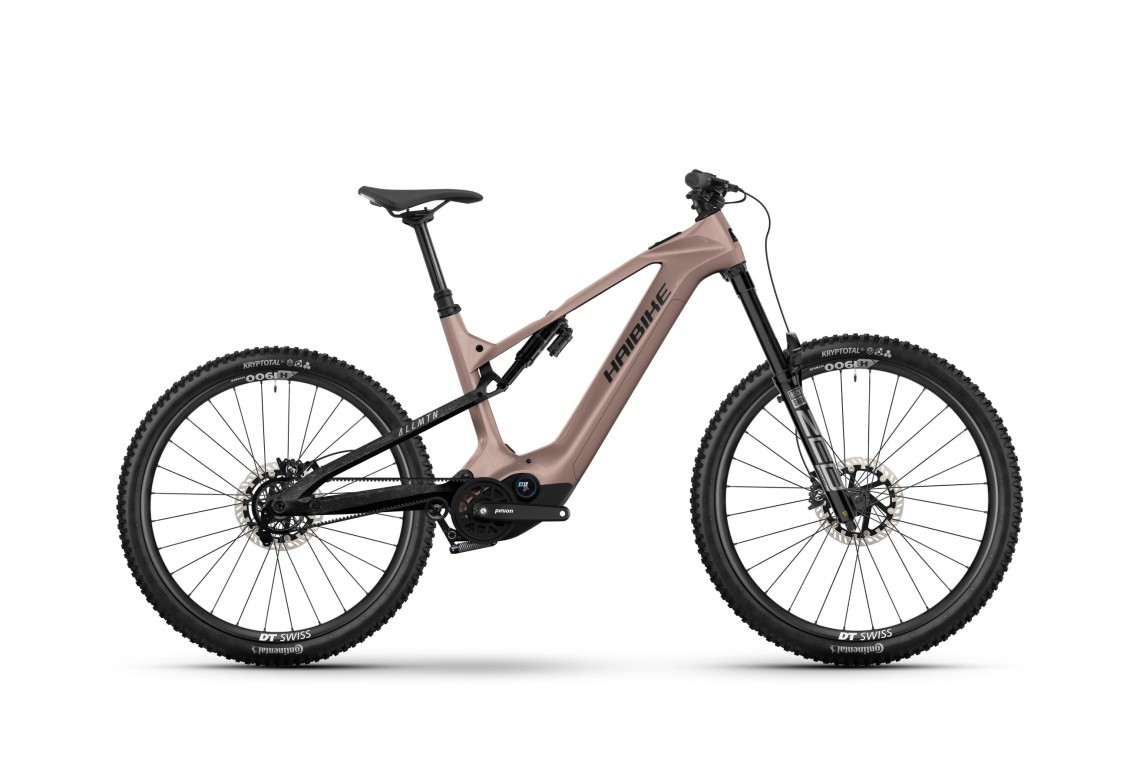 The New Haibike ALLMTN CF 11 TRN-IQ 2025 EMTB Bikes!Read more
Experience effortless riding and maximum enjoyment. Why choose TRN/IQ? TRaNsmission Intelligence means intelligent gear chang...
-
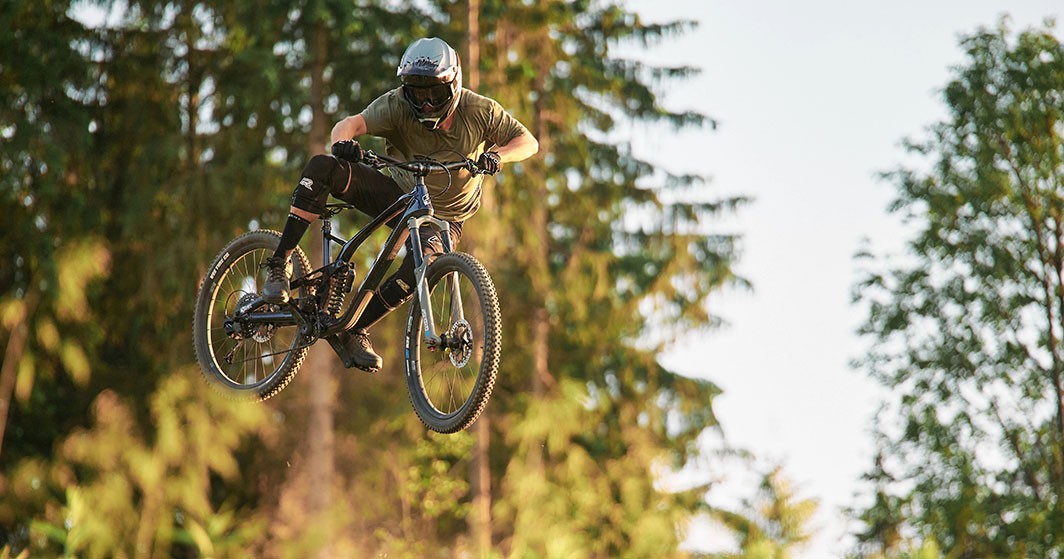 2022 GT Fury Full suspension bikesRead more
Enduro to us is more than a race series, it's the riding style born from the steep and the deep. It's about breakneck speeds an...
-
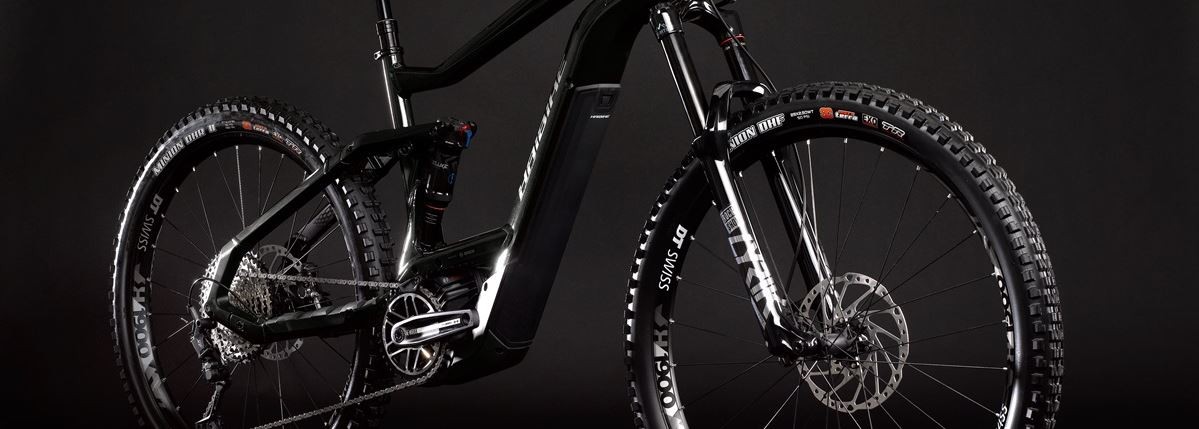 2021 Haibike All Mountain 5.0 Full suspension electric bikeRead more
We only have 1 more left in a Large! With the AllMtn 5, you're ready for any challenge on the mountain: the more powerful 4th...


Hardtail mountain bikes
A hardtail gives you a suspension fork up front and a rigid rear end. That makes it lighter, simpler and often better value than a full-suspension bike, especially for mixed riding and less technical trails.
Best for: XC riding, trail centres, fitness rides and lower-maintenance off-road bikes.
Useful reads
-
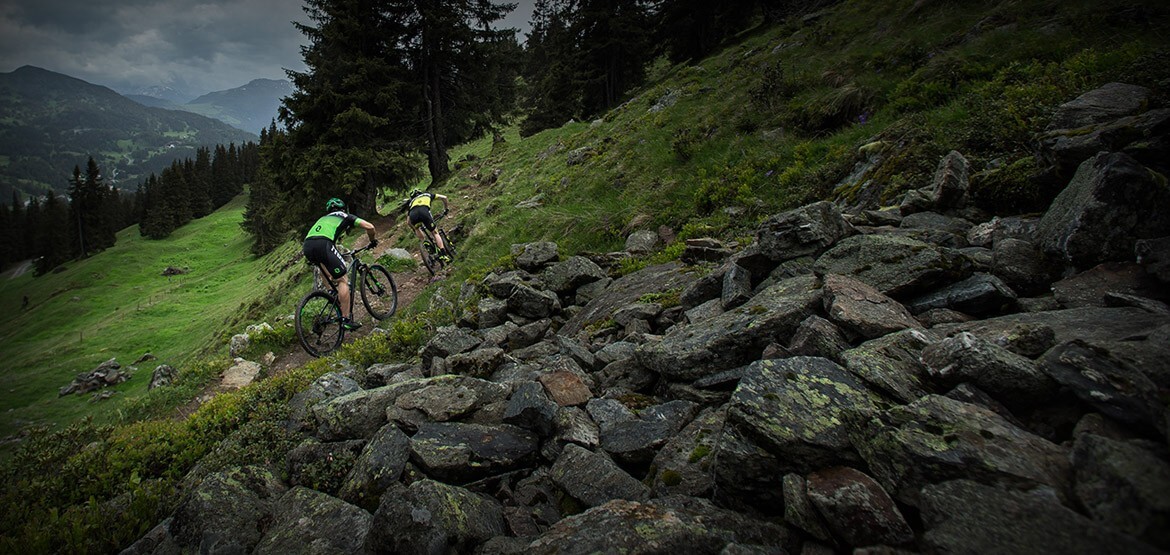 Scott Scale 2017 Hardtail Mountain BikesRead more
These ultra lightweight hardtail offerings from Scott Bikes are racy and revolutionary. With carbon and super-light alloy...
-
 Read more
-
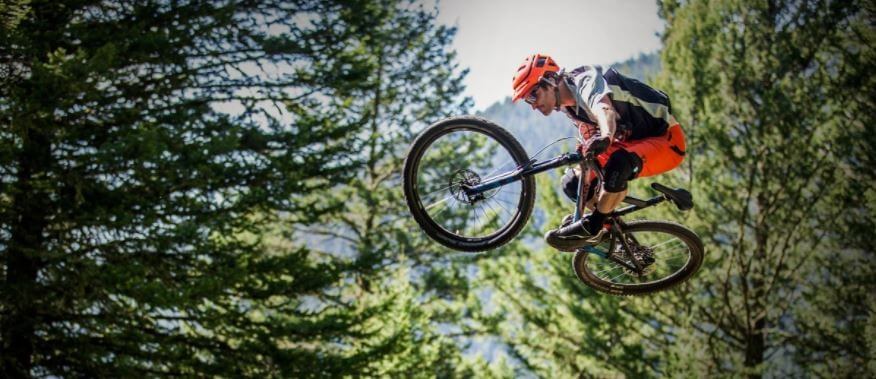 Read more


Full suspension mountain bikes
Full-suspension bikes add rear suspension for grip, control and composure when the trail gets rough. They are the right direction if you ride faster trails, rocky terrain or long off-road days.
Best for: Technical trails, bigger descents and riders who want more comfort and traction.
Useful reads
-
2022 GT Fury Full suspension bikesRead more
Enduro to us is more than a race series, it's the riding style born from the steep and the deep. It's about breakneck speeds an...
-
2021 Haibike All Mountain 5.0 Full suspension electric bikeRead more
We only have 1 more left in a Large! With the AllMtn 5, you're ready for any challenge on the mountain: the more powerful 4th...
-
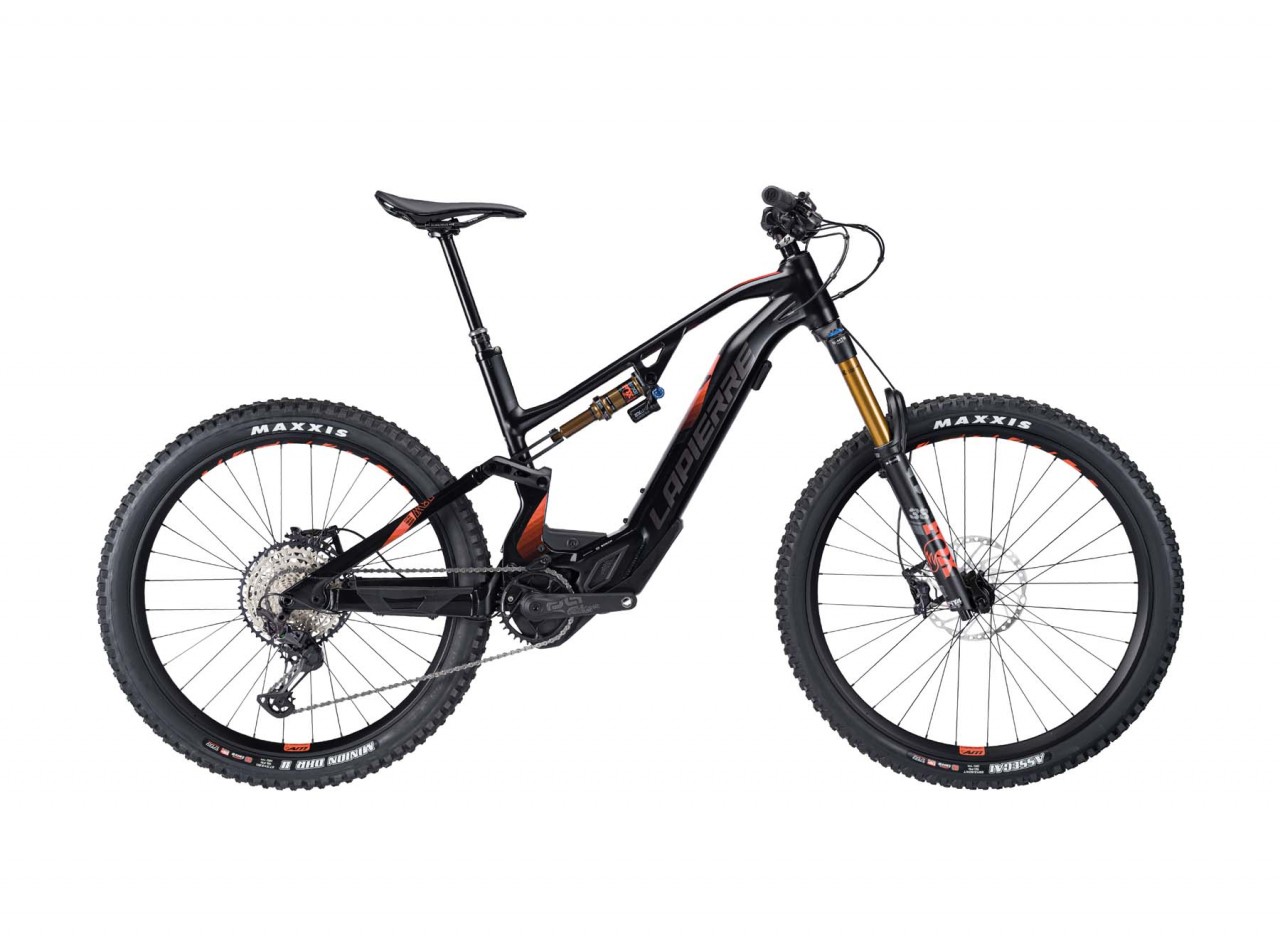 The new 2021 Lapierre Overvolt AM 8.6 Full Suspension Electric bikeRead more
Climb mountains while enjoying the scenery. Ride brilliant downhill routes while concentrating purely on the landscape. That's...

Road bikes
Road bikes are light, efficient and built for speed on surfaced roads. Pick race geometry for sharp handling, or endurance geometry if comfort over longer rides matters most.
Best for: Fast road rides, club runs, sportives, training and long-distance tarmac miles.
Useful reads
-
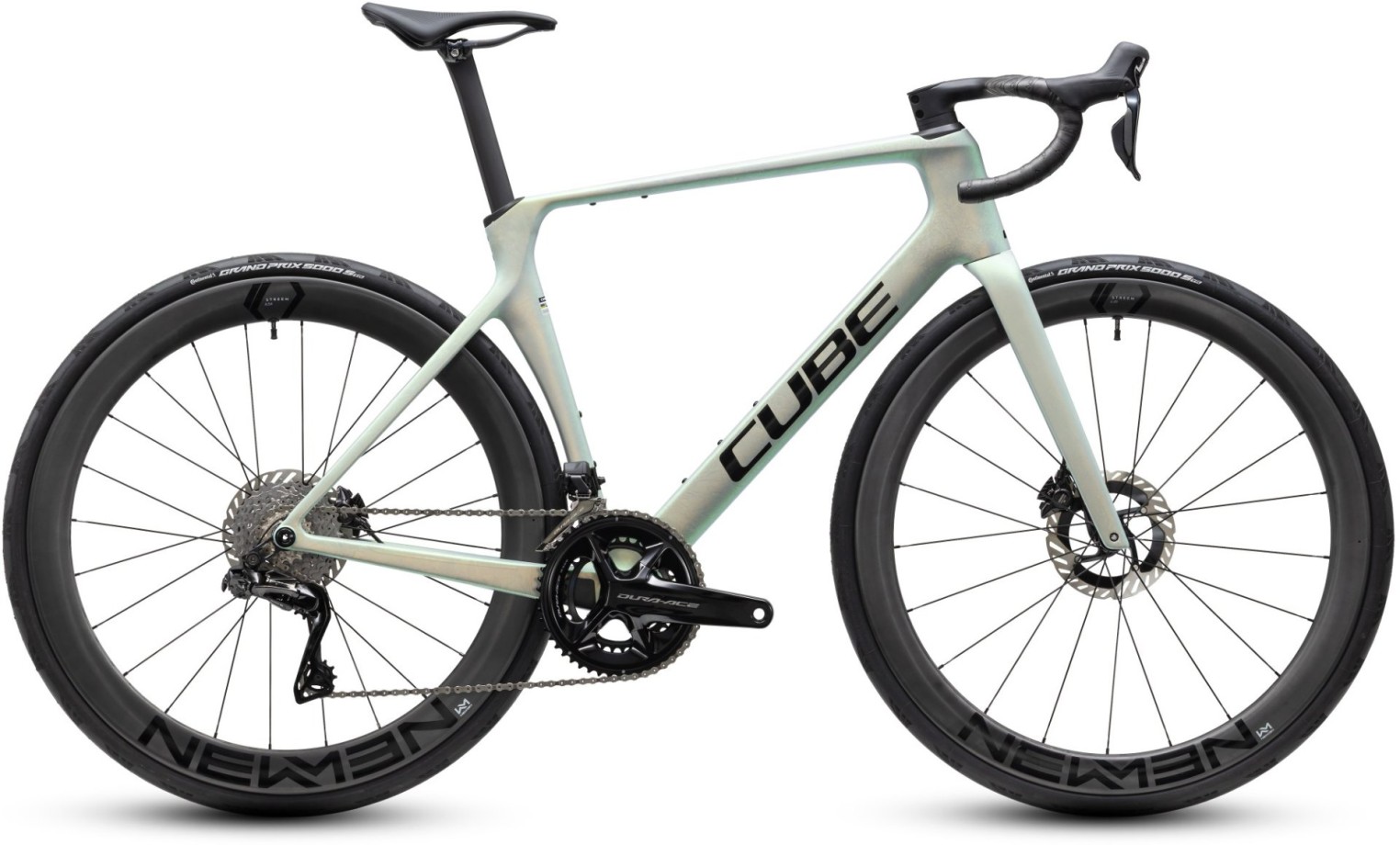 Cube Agree C:62 Aero Road Bike 2027Read more
The Cube Agree C:62 Aero Road Bike 2027 is Cube's biggest endurance race bike update in years. Designed for riders who want aer...
-
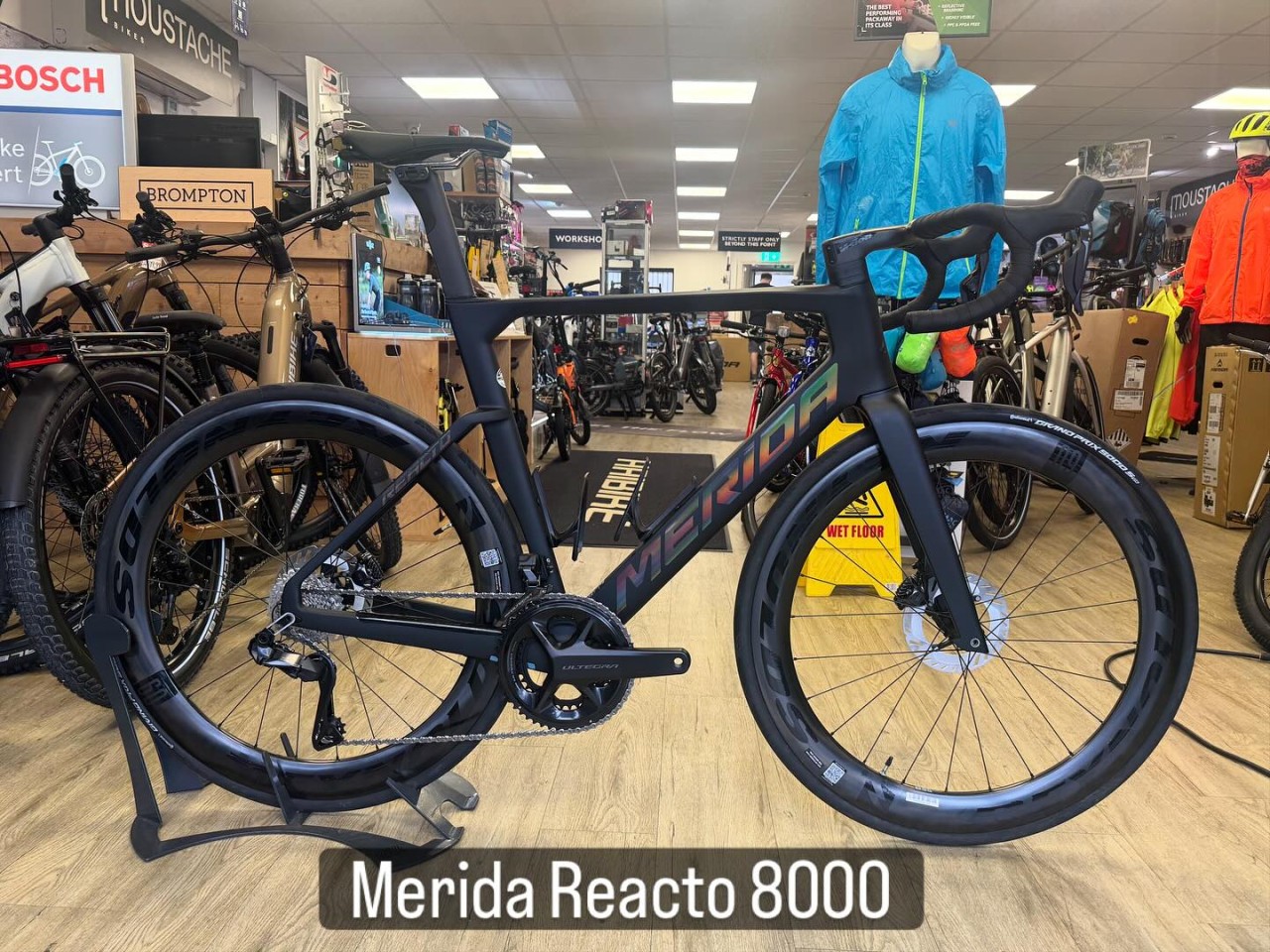 Merida Reacto 8000 2027 Road BikeRead more
The Merida Reacto 8000 2027 is built for riders who want pure speed without compromise. Designed with WorldTour-proven aerodyna...
-
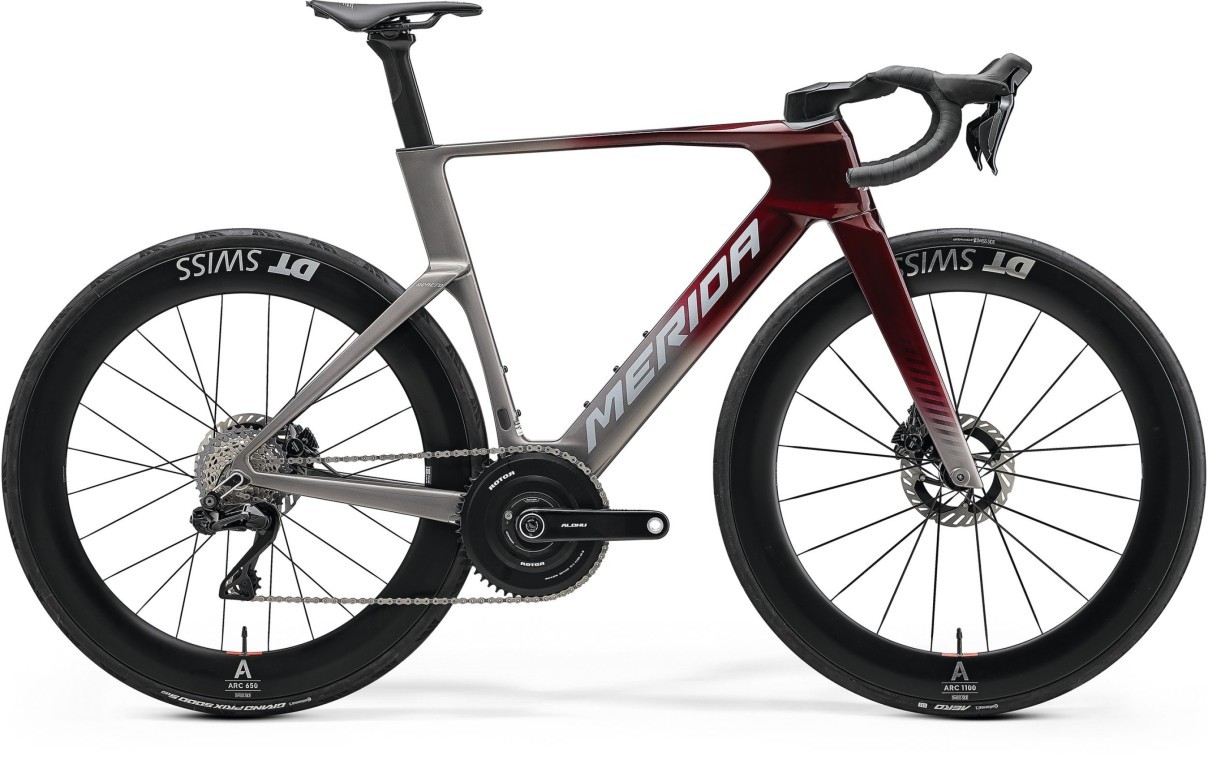 Merida Reacto One 2027 – Ultimate Aero Road Bike for Speed & PerformanceRead more
The Merida Reacto One 2027 represents the next evolution of aero road cycling. Designed for riders who demand maximum speed, ef...


Gravel bikes
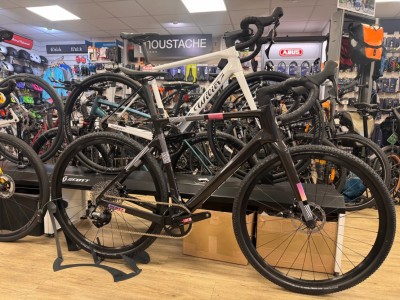
Gravel bikes blend road-bike efficiency with wider tyres, more stable handling and extra versatility. They suit riders who want one bike for fitness, commuting, winter miles and adventure routes.
Best for: Road rides that wander onto lanes, towpaths, forest roads and light trails.
Useful reads
-
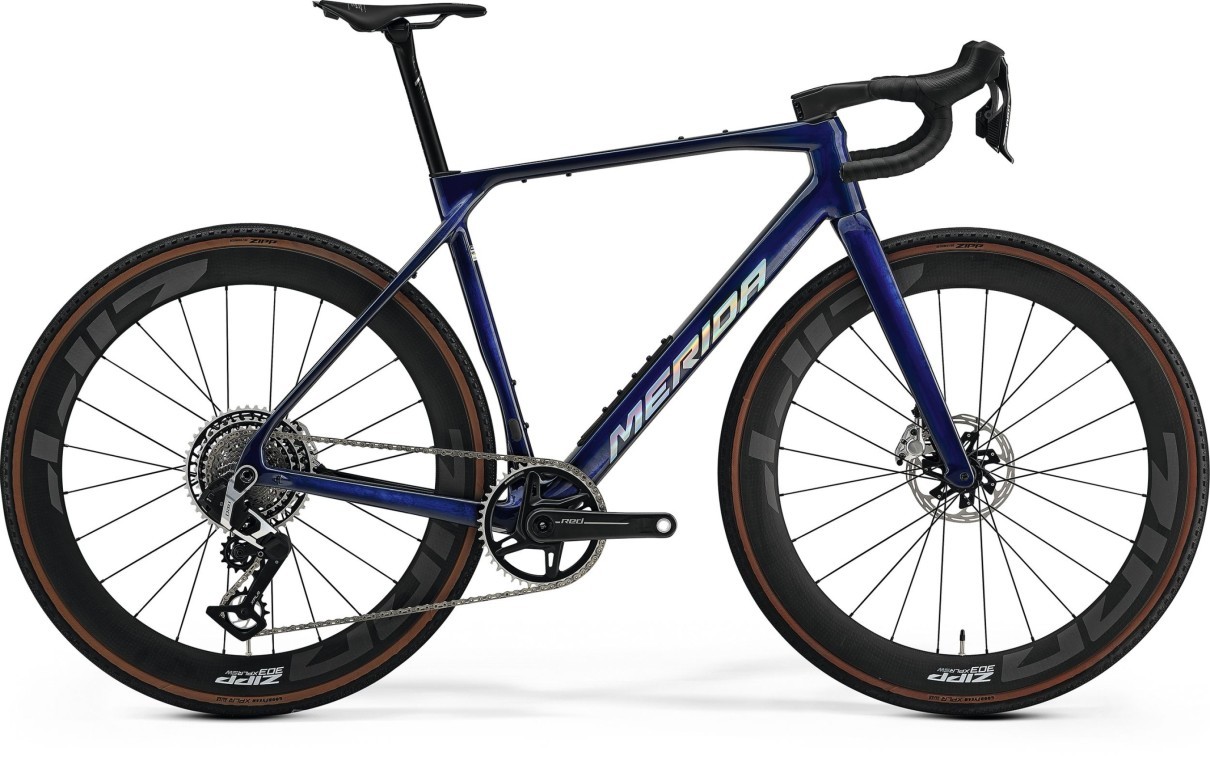 Merida Mission Gravel Race bikes - Features & NewsRead more
Redefining Gravel PerformanceWhen the Silex first hit the trails, it was built for adventure—perfect for bikepacking, off...
-
 Rondo Gravel and Adventrure bikesRead more
We live, breath and sleep two wheels. We race each season on and off the road. We ride thousands of km each year. We commute to...
-
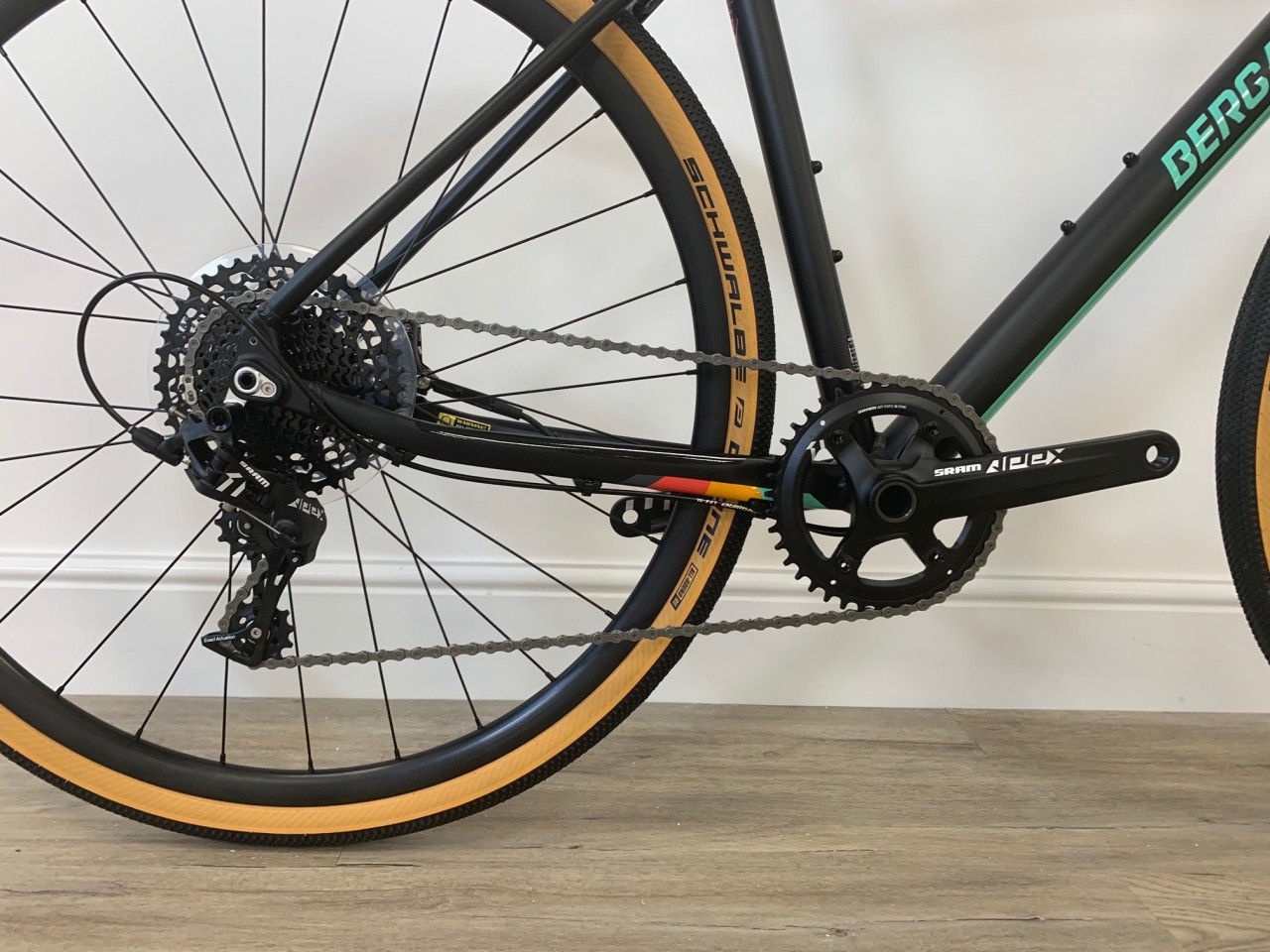 New Bergamont Grandurance 6.0 Gravel bikeRead more
Perfect for winter riding. The new Gravel Bike made by Bergamont called the Grandurance 6.0 with mudguard islets and...

Hybrid bikes
Hybrids keep the riding position comfortable and the handling predictable. They are often the best starting point if you want a practical bike without going fully road, mountain or electric.
Best for: Commuting, leisure rides, fitness loops, cycle paths and everyday transport.
Useful reads
-
 Bergamont Horizon 2020 Trekking BikesRead more
Bergamont trekking bikes pair high-end equipment with high quality build. The Bergamont Horizon range is the pe...
-
 2020 Cube Hybrid BikesRead more
The humble bicycle is one of the most efficient ways of getting between A and B. You'd think it'd be hard to improve on that, b...
-
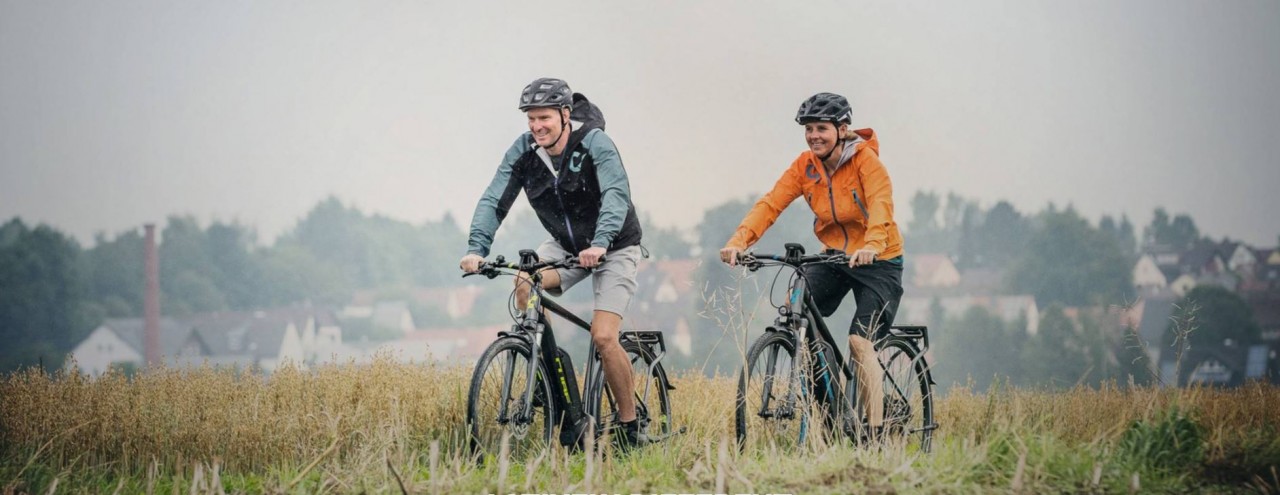 Cube Hybrid BikesRead more
Cube is a German manufactured Company established 1993 by a student named Marcus Pürner who began with an area of 50 m&sup...

Electric bikes
Electric bikes use pedal assistance to make distance, hills and headwinds less of a barrier. The right choice depends on motor position, battery range, riding style and how easy the bike is to live with day to day.
Best for: Hilly routes, longer journeys, commuting, cargo, fitness support and riding more often.
Useful reads
-
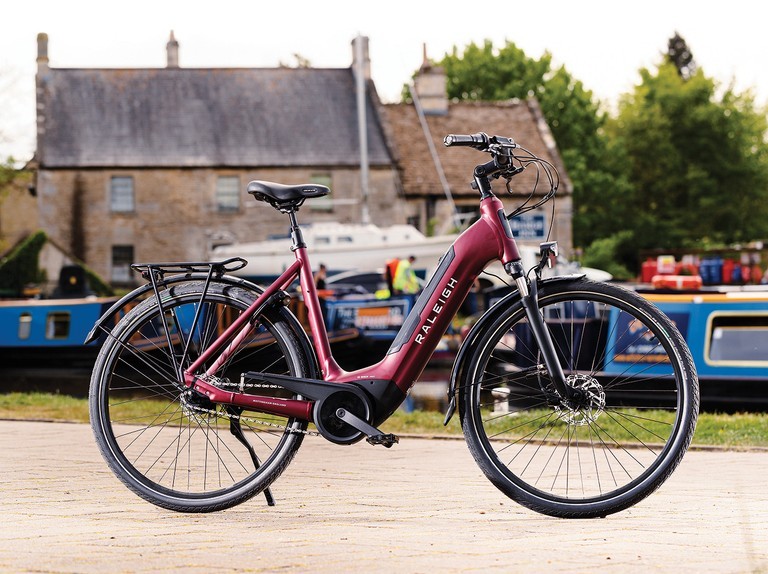 Raleigh Electric bikesRead more
Raleigh Electric Bikes is a brand that specializes in electric bicycles. The company was founded in 1887 in Nottingham, England...
-
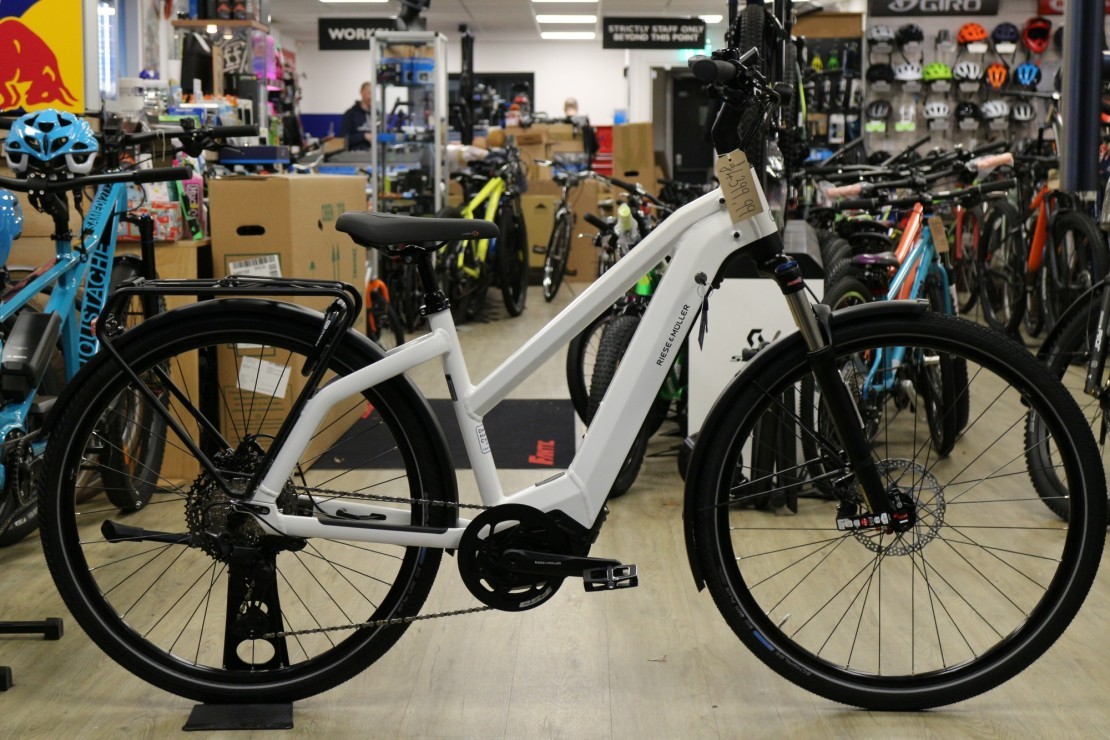 Can a Electric bike go up hills?Read more
Yes, electric bikes are capable of going up hills with ease, thanks to their electric motor and battery system. This means that...
-
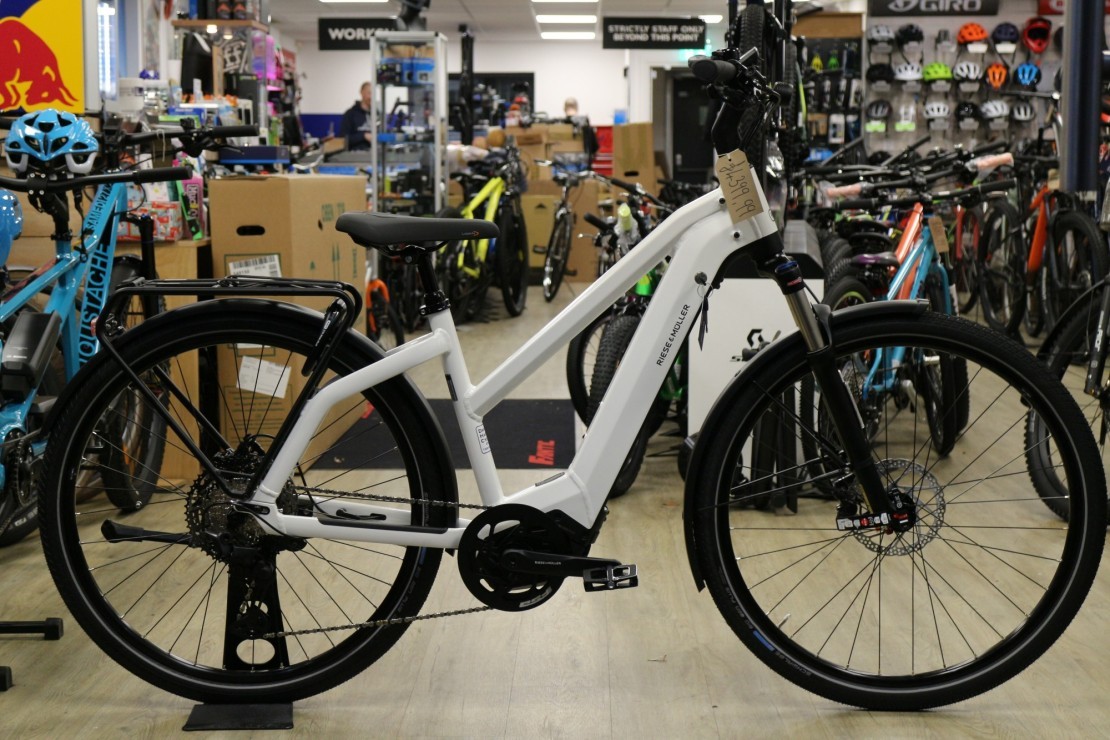 Can you use a E-bike in the Rrain?Read more
Yes, you can use an E-bike in the rain, but there are some precautions you should take to ensure your safety and the longevity...


Kids bikes
A good kids bike should be light enough to control, correctly sized and confidence-building from the first ride. Weight, brakes and fit matter more than suspension-style looks.
Best for: Growing riders, school runs, family rides and first proper off-road adventures.
Useful reads
-
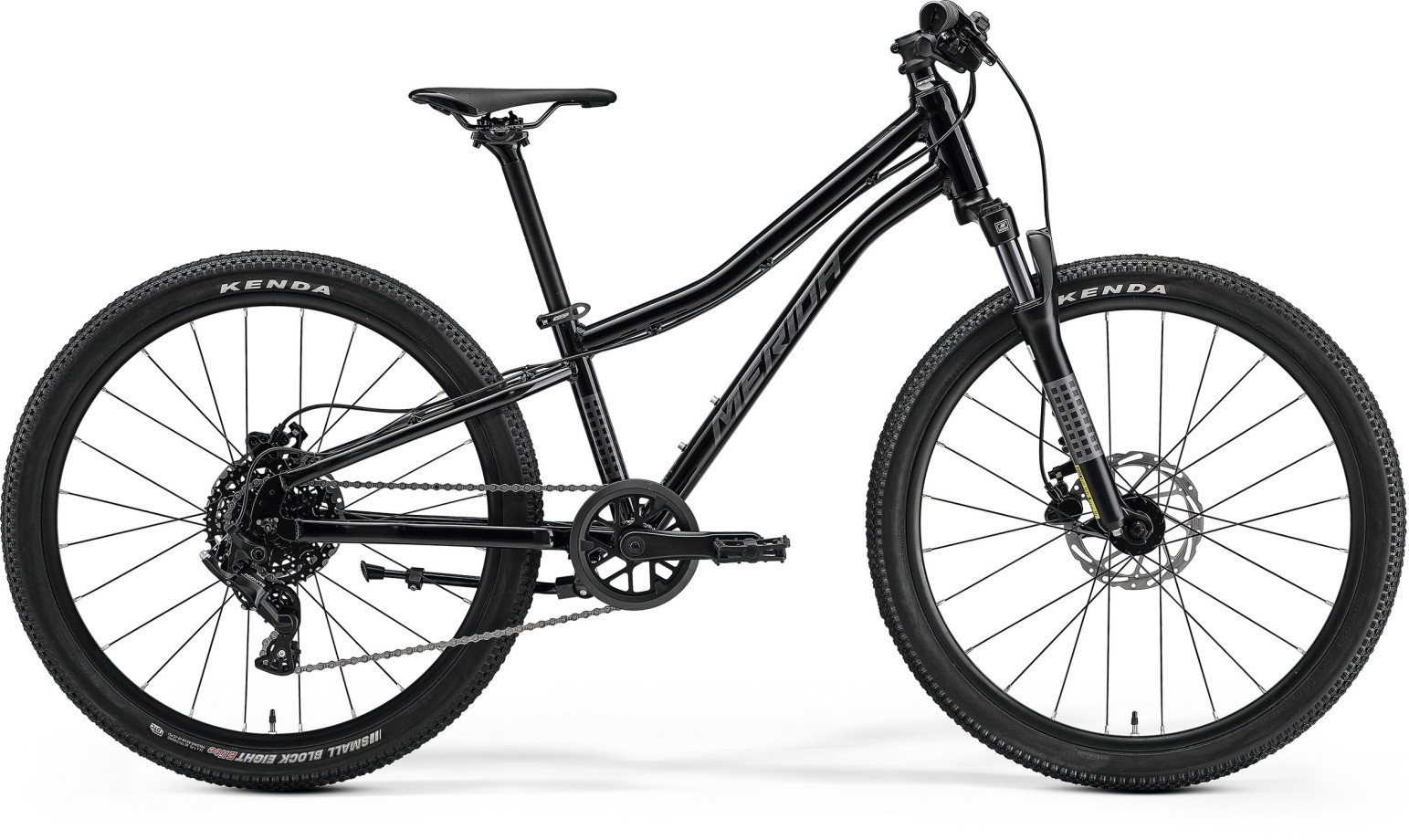 Kids Bike Size Guide: Find the Perfect Bike for Your Child for ChristmasRead more
Choosing the right bike for your child can make all the difference to their confidence, comfort and enjoyment of cycling. Our k...
-
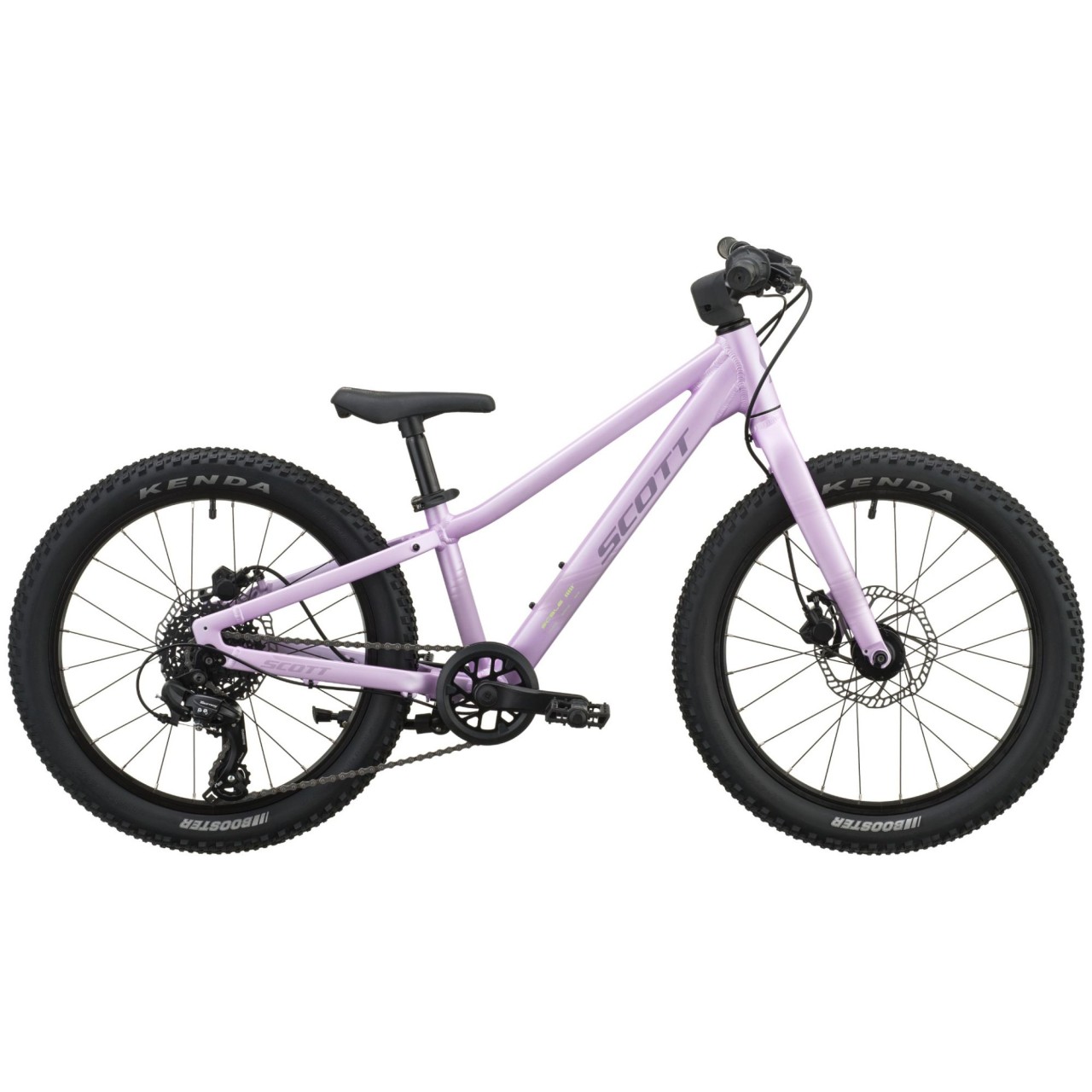 Kids Bikes for Christmas – Children’s Bikes for Every AgeRead more
Kids Bikes for Christmas – Children’s Bikes for Every AgeLooking for the perfect Christmas present for kids? Find t...
-
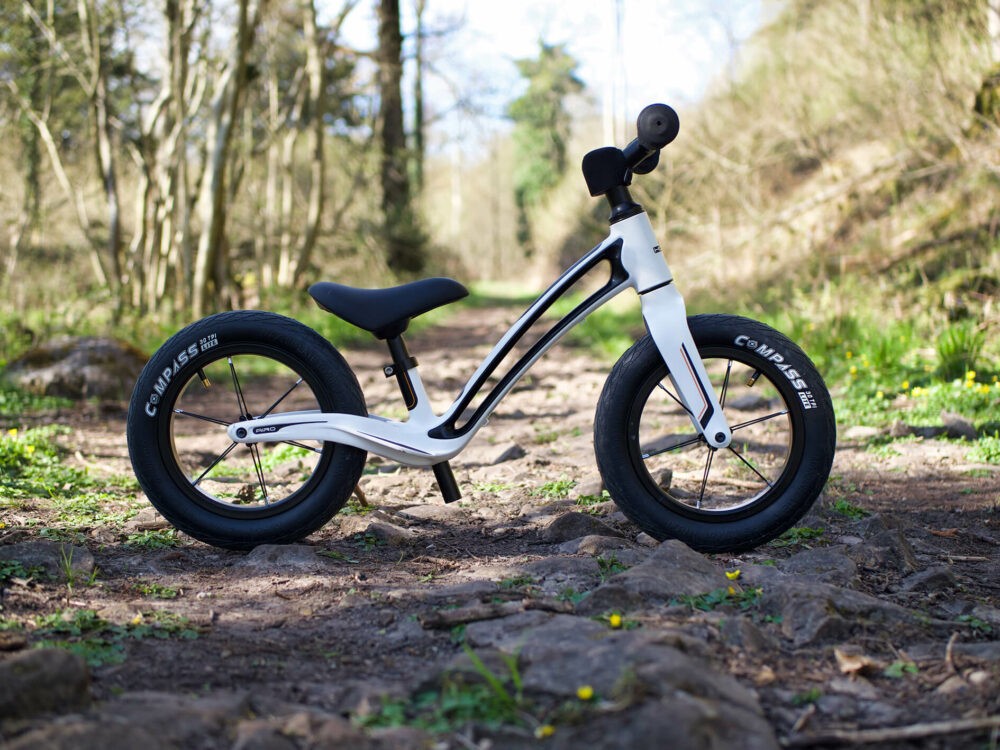 Hornit kids bikesRead more
Choosing the right bike can make a huge difference to a child's cycling experience. A bike that is lightweight, correctly sized...


Folding bikes
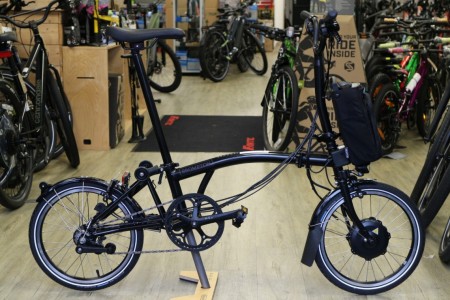
Folding bikes are made to be easy to store and carry between parts of a journey. Think about folded size, wheel size, luggage options and whether you want electric assistance.
Best for: Storage, public transport, commuting, motorhomes and mixed-mode journeys.
Useful reads
-
 2022 Brompton C-LineRead more
Brompton’s history can be traced back to 1975, when the inventor and founder, Andrew Ritchie, created prototypes of Bromp...
-
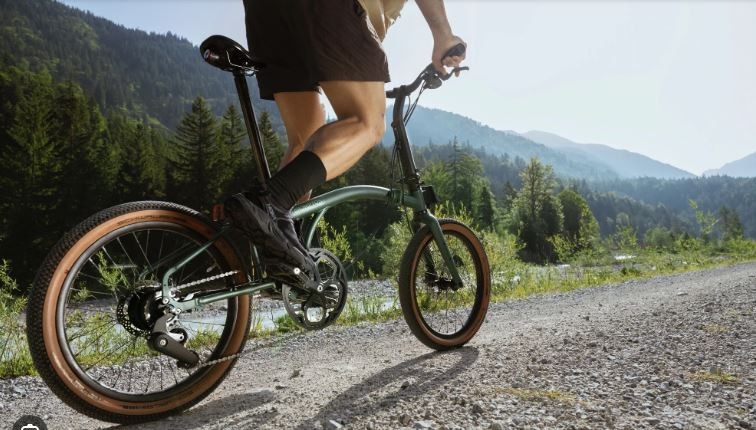 Experience a new level of urban cycling with the Brompton G Line - Gravel folding bikeRead more
Designed for Comfort and Versatility: Featuring a groundbreaking frame with larger 20" wheels, the G Line offers a smooth, full...
-
 Read more

Triathlon bikes
Triathlon bikes put the rider in a more aerodynamic position than a standard road bike. They are specialist machines, best chosen around fit, event goals and how comfortably you can hold the position.
Best for: Triathlon, time trials and riders chasing aerodynamic efficiency.


Cyclocross bikes
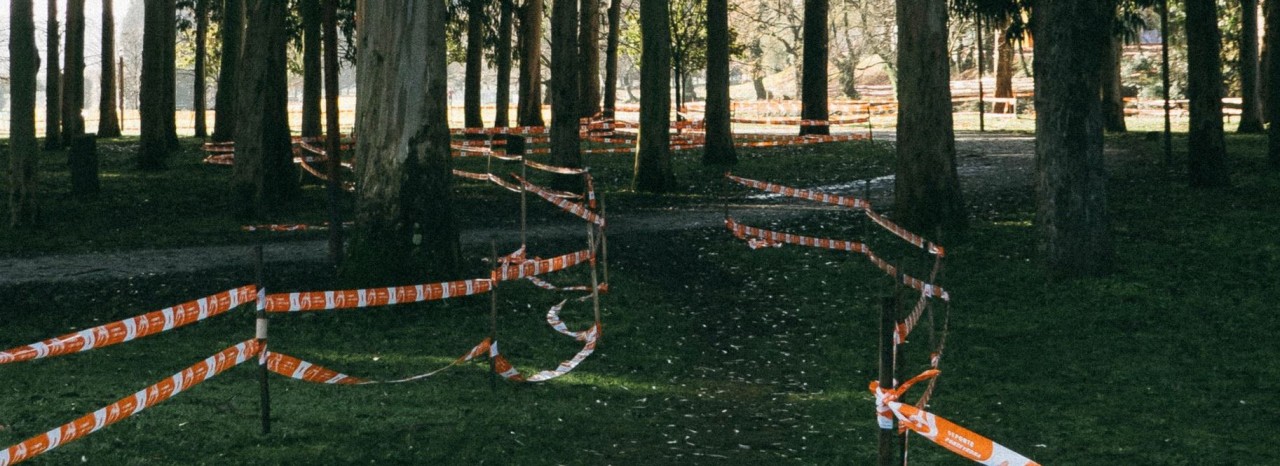
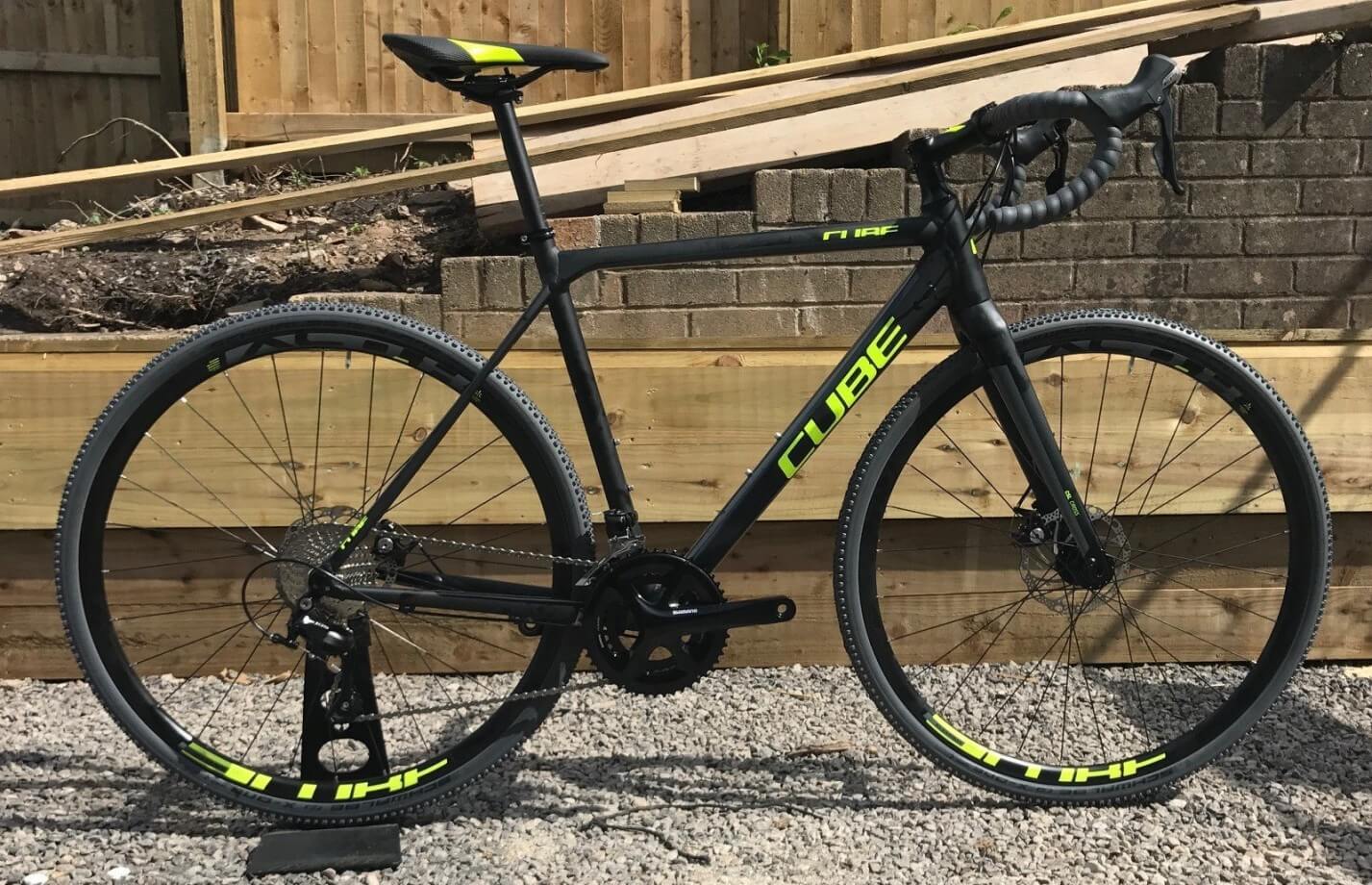
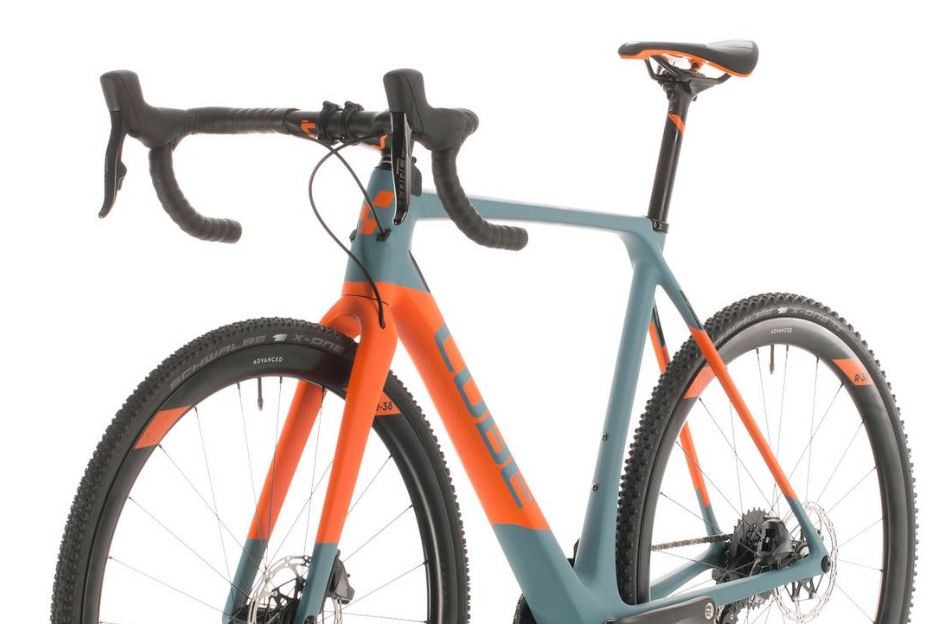
Cyclocross bikes are tough drop-bar bikes built for repeated accelerations and slippery courses. Compared with gravel bikes, they usually feel racier and more focussed.
Best for: Cyclocross racing, winter training, mud, grass and fast mixed-surface riding.
Useful reads
-
 2021/2022 Cyclocross - BombtrackRead more
Starting with an accessible aluminium version and finishing with a World Cup-proven carbon model, each Tension bike is built fo...
-
 What`s New Cube Cyclocross 2018!Read more
Cube Cyclocross bikes have done very well this season due to the multiple terrain surfaces it is able to travel on. Cube h...
-
 Read more


BMX bikes
BMX bikes are simple, strong and playful. They are not designed for distance, but they are excellent for tricks, jumps and developing bike handling skills.
Best for: Skateparks, pump tracks, street riding and younger riders who want a compact, strong bike.
Useful reads
-
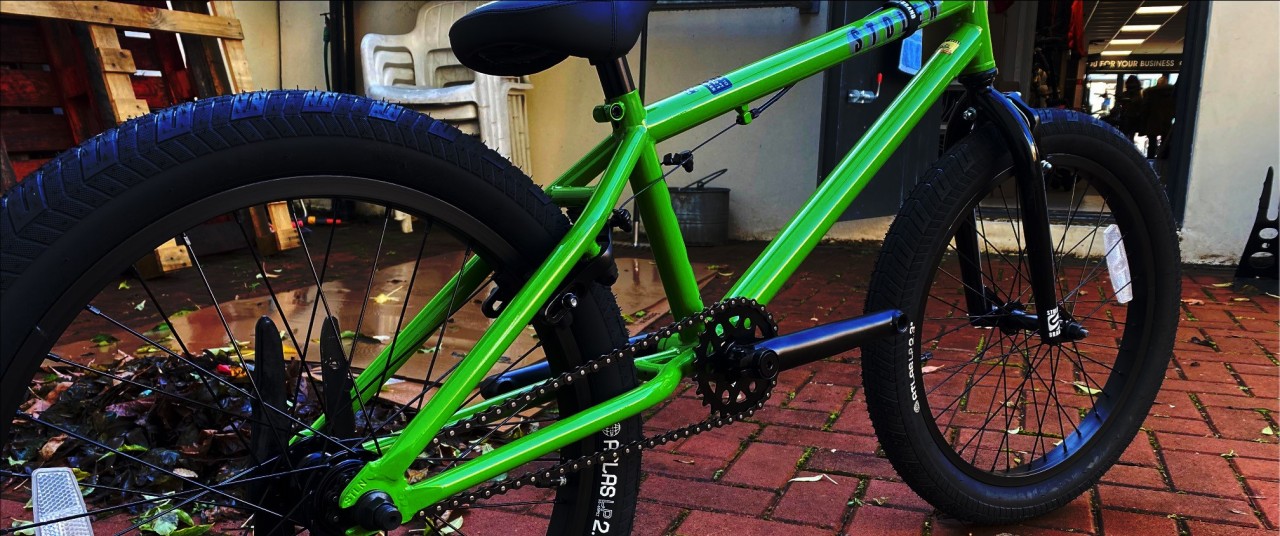 Stolen brand BMX BikesRead more
QUALITY OVER COST!We have ridden bikes and worked in this industry for most of our lives. We hope it shows in everything we pro...
-
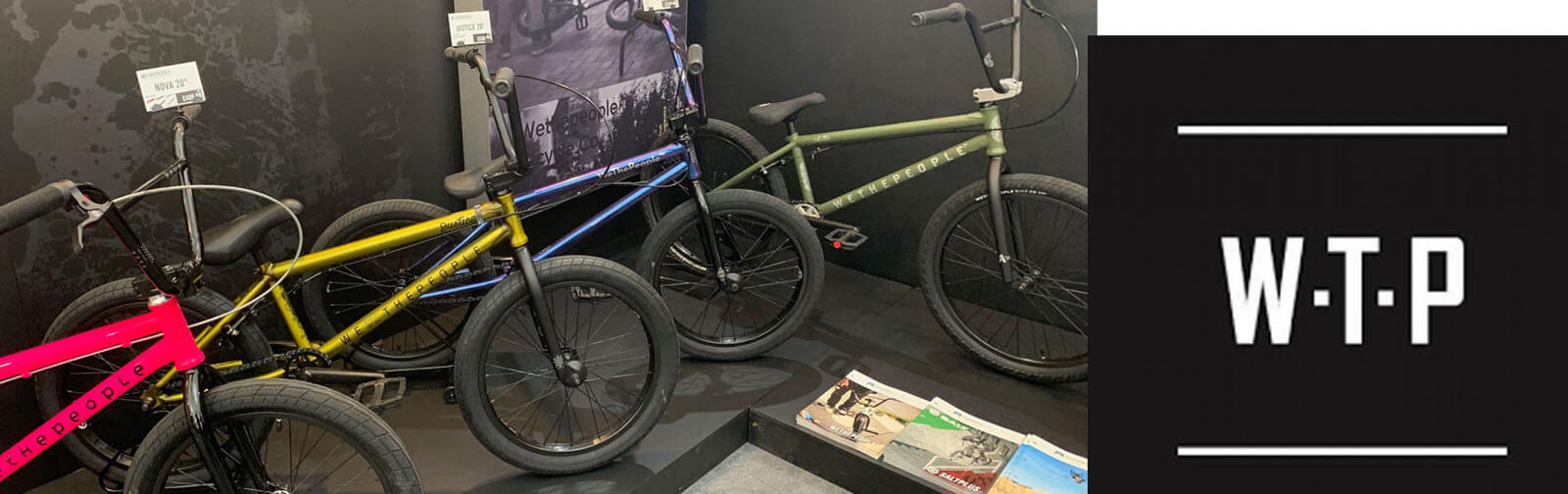 Read more
-
 Read more


Dirt jump bikes
Dirt jump bikes are built for airtime, control and repeated heavy landings. They are specialist bikes, usually with simple drivetrains, strong wheels and low-slung frames.
Best for: Pump tracks, jump lines, skills areas and riders who want a compact, tough mountain bike.
Useful reads
-
 Dirt Jump bikes - Merida Dirt 500 & 700Read more
Built for riders who want confidence, control, and progression, the Merida Dirt 500 and Dirt 700 are purpose-built dirt jump bi...
-
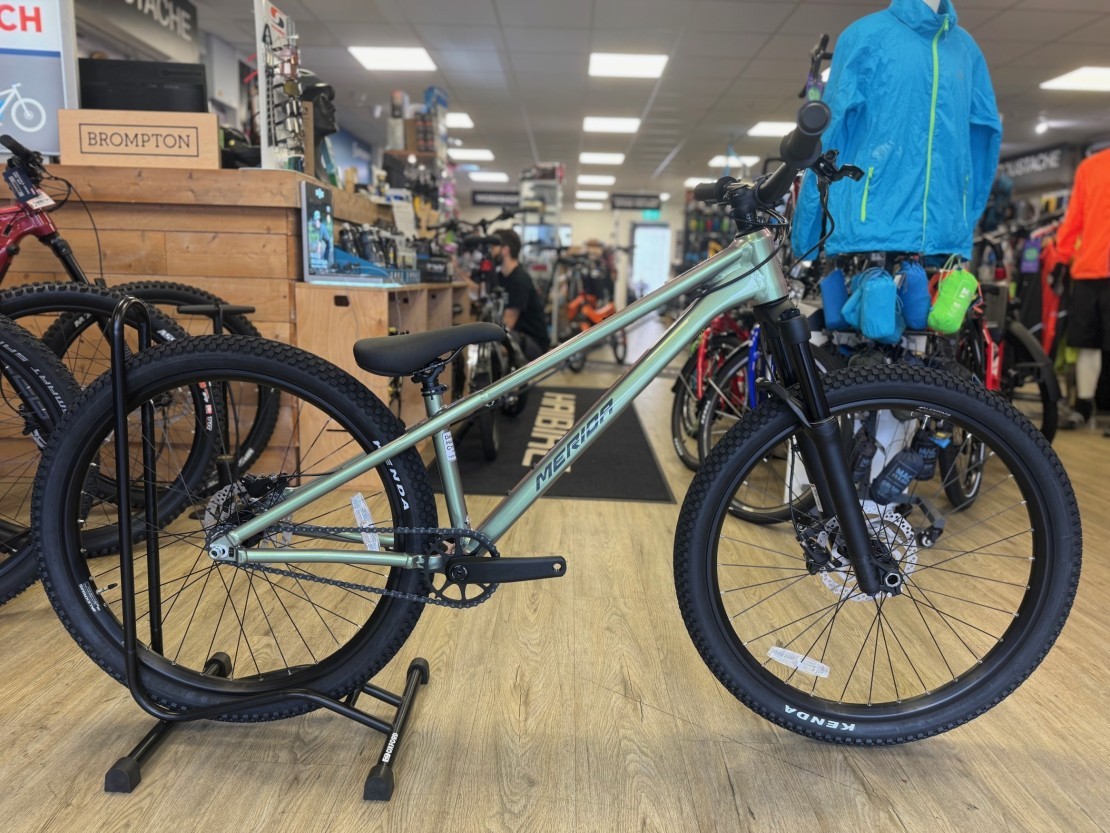 Merida Dirt Jump Bikes now in stockRead more
Discover the latest Merida Dirt Jump bikes, with the highly anticipated Merida Dirt Jump 500 and Dirt Jump 700 models now in st...
-
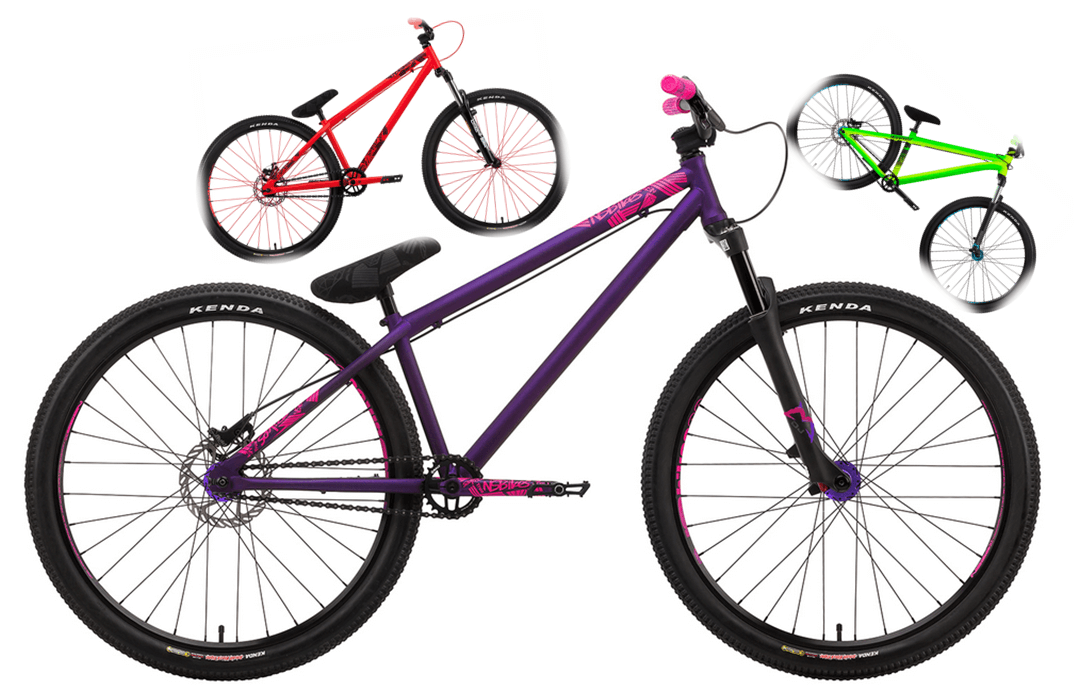 Read more


Framesets
A frameset is the foundation for a custom bike build. It is the right route when fit, frame material, handling and component choice matter more than buying a complete bike.
Best for: Custom builds, upgrades and riders who already know the parts they want to use.


